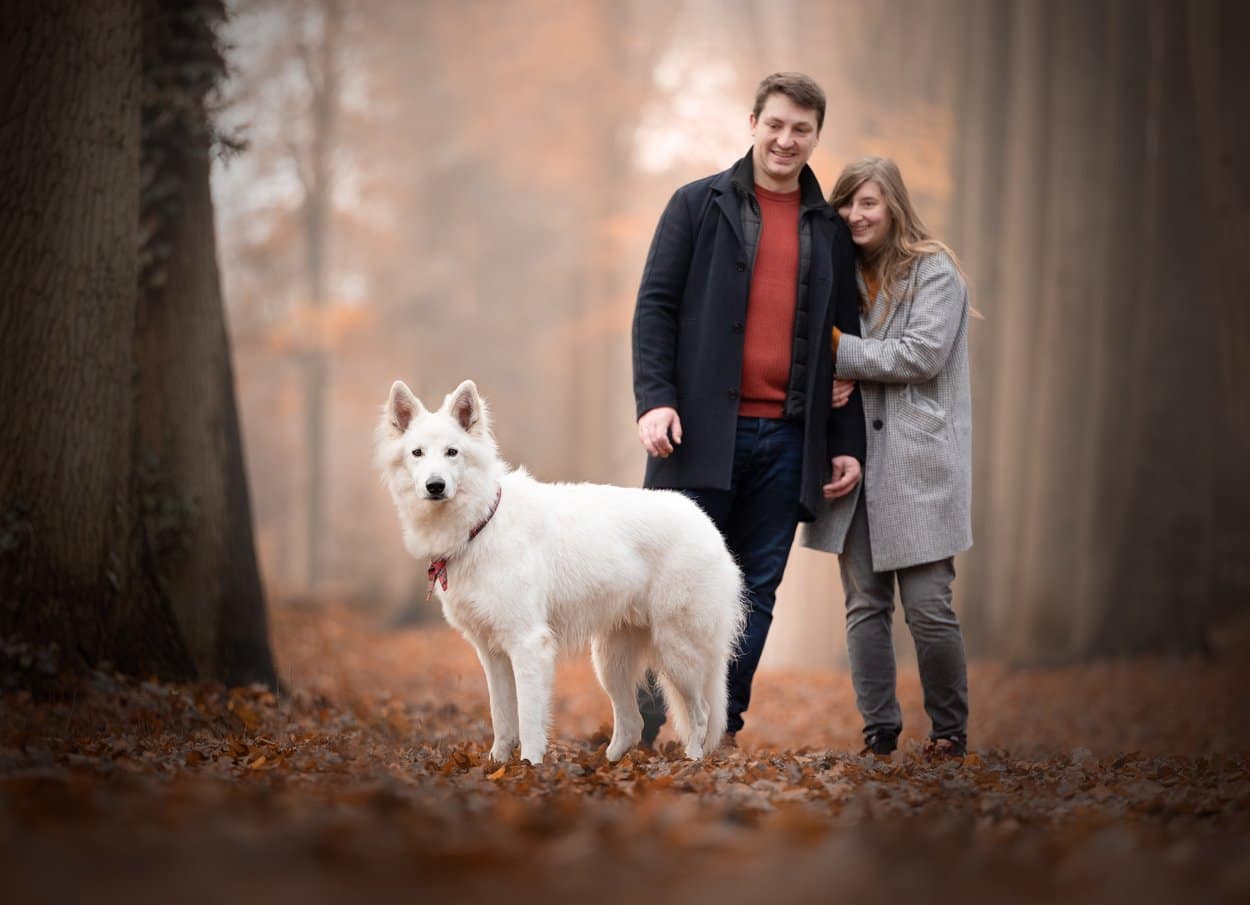

Capturing Your Pet’s Personality Through Photography

Capturing the unique personality and charm of your pet through photography can be both rewarding and challenging. Whether you’re a seasoned photographer or a pet owner looking to take better pictures, understanding how to create stunning pet portraits is essential.
Pets are unpredictable and often full of energy, which means. patience ,. creativity , and the right techniques are key to getting that perfect shot.
This guide offers. 7 practical tips To help you bring out the best in your furry friends, ensuring your portraits are not only beautiful but also full of life and character. From choosing the right lighting to engaging your pet’s attention, these tips will transform your approach to pet photography and help you create images you’ll cherish forever.
Tip 1: Understand Your Pet’s Personality
Capturing the perfect photograph of your pet starts with a deep understanding of their unique personality. Pets, like people, have distinct behaviors, moods, and preferences that influence how they react in different situations. By paying close attention to these traits, you can create a more comfortable environment for your pet and ultimately capture photos that showcase their true essence.
Observing Behavior and Mood
Before even reaching for your camera, spend some quality time observing your pet. Watch how they behave throughout the day—when they’re playful, when they’re calm, and when they might be feeling anxious or tired. For example, some dogs might be most energetic in the early morning, while cats may prefer afternoon naps. Understanding these patterns helps you anticipate your pet’s movements and expressions, making it easier to catch candid moments that reveal their personality.
Additionally, take note of how your pet reacts to different stimuli like toys, treats, or sounds. This insight can help you create scenarios during your photo session that will elicit natural and engaging reactions. For instance, if your dog loves squeaky toys, using one during the shoot might bring out a joyful and alert expression.
Choosing the Right Moment to Shoot
Timing plays a crucial role in pet photography. Aligning your photo session with your pet’s natural rhythms increases the likelihood of cooperation and reduces stress for your furry friend. Many pets are more cooperative and relaxed after physical activity like a walk or playtime, as this helps burn off excess energy. On the other hand, some pets respond best when they’re well-rested, so scheduling sessions after a nap can yield calm and peaceful expressions.
It’s also important to be patient and flexible during the shoot. Pets don’t always follow a schedule, so being ready to capture spontaneous moments can result in some of the most memorable photographs. Avoid forcing your pet into poses or situations they’re uncomfortable with, as this can cause stress and make the session less enjoyable for both of you.
Summary
In summary, taking the time to understand your pet’s personality, observing their behavior and mood, and choosing the right moment to shoot are foundational steps to capturing stunning and authentic pet photos. Your. patience And. attention to their needs Will shine through in every picture, creating lasting memories that truly represent your pet’s character.
Tip 2: Choose the Perfect Setting
Selecting the perfect setting is essential to capturing pet portraits that truly stand out. The environment you choose plays a significant role in highlighting your pet’s personality while also affecting the overall mood and quality of the photograph. Deciding between indoor and outdoor backgrounds, as well as making the most of natural light, are key factors to consider.
Indoor vs. Outdoor Backgrounds
Indoor settings Offer a controlled environment that can be tailored specifically to your pet and the style you want to achieve. Advantages of indoor photography include:.
- Managing lighting with ease
- Minimizing distractions
- Creating custom setups with props and backdrops
- Providing a calm, comfortable space for shy, older, or easily overwhelmed pets
- Flexibility to shoot at any time regardless of weather
You can experiment with different textures such as cozy blankets, patterned rugs, or colorful walls to complement your pet’s coat and personality.
Outdoor backgrounds Provide a natural, dynamic backdrop that adds life and vibrancy to your pet portraits. Examples of outdoor locations:.
- Parks
- Gardens
- Beaches
- Your own backyard
Benefits of outdoor shoots:.
- Variety of textures and colors enhance visual interest
- Natural environment helps pets relax and be playful, leading to candid shots
Challenges to consider:.
- Unpredictable weather
- Varying light conditions
- Potential distractions like other animals or people
Tips for outdoor shoots: Plan during quieter times and scout locations in advance to reduce challenges.
Using Natural Light to Enhance Pet Portraits
Natural light is one of the most flattering and versatile lighting options for pet photography. It reveals true colors and fine details without the harshness of artificial light.
Best practices for natural light:.
| Setting | Tips |
|---|---|
| Outdoor | Shoot during “golden hours” (shortly after sunrise or before sunset) for warm, soft light. Avoid harsh shadows and prevent squinting. |
| Indoor | Position your pet near large windows or glass doors for soft, indirect daylight. Avoid overhead or direct artificial lights to reduce shadows and red-eye. Use reflectors or white surfaces to bounce light and fill shadows. |
Additional Tips for Setting Selection
- Consider your pet’s temperament: Some pets thrive outdoors; others prefer the comfort of home.
- Include familiar items like favorite toys or blankets to help your pet relax and express personality.
- Think about color contrast:
- Light-colored pets stand out against darker backgrounds.
- Darker coats shine against lighter or colorful surroundings.
This contrast ensures your pet remains the focal point of the image.
In summary, thoughtfully selecting between indoor and outdoor settings and harnessing the power of natural light can transform your pet portraits from ordinary snapshots into captivating works of art. With careful planning and attention to detail, you’ll create images that celebrate your furry friend’s unique spirit and charm.
Tip 3: Focus on the Eyes
Why Eyes Are the Window to Your Pet’s Soul.
The eyes have long been called the windows to the soul, and this phrase holds especially true when it comes to photographing pets. Your pet’s eyes are not just a physical feature; they are the gateway to their emotions, personality, and inner world. Whether your pet is a playful pup, a curious cat, or any other beloved companion, their eyes tell a story that words often cannot capture. A photo that highlights your pet’s eyes creates an intimate connection between the viewer and the subject, drawing people into the pet’s unique character and spirit. This emotional resonance is what transforms a simple snapshot into a compelling portrait.
When you focus on the eyes during a photoshoot, you invite the viewer to experience the warmth, curiosity, or affection that your pet naturally exudes. The eyes reveal subtle expressions—joy, contentment, alertness, or even mischief—that make your pet truly come alive in the photograph. This emotional depth is crucial for creating memorable images that stand out.
Techniques to Make Eyes Stand Out.
To ensure your pet’s eyes become the centerpiece of your photo, follow these key techniques:.
- Sharp Focus: Use your camera’s autofocus point directly on the eyes or manually focus to capture every detail.
- Wide Aperture: Employ a wide aperture (f/1.8 to f/4) to create a shallow depth of field, blurring the background and foreground.
- Natural Lighting: Use soft, diffused natural light such as during the golden hour or near a large window with indirect light.
- Avoid Harsh Sunlight: Prevent squinting and harsh shadows by avoiding direct sunlight.
- Eye-Level Shooting: Position yourself at your pet’s eye level to create a personal and engaging perspective.
- Maximize Catchlights: Arrange the light source to reflect in the eyes, adding sparkle and life.
- Patience: Be ready with your camera, use treats or toys to attract attention, and shoot in continuous mode.
| Technique | Description |
|---|---|
| Sharp Focus | Focus precisely on the eyes to capture detail. |
| Wide Aperture | Use f/1.8–f/4 to blur background and foreground, emphasizing the eyes. |
| Natural Lighting | Shoot during golden hour or near windows with soft light. |
| Avoid Harsh Sunlight | Prevent squinting and shadows by avoiding direct sunlight. |
| Eye-Level Shooting | Shoot at your pet’s eye level for a more intimate and natural portrait. |
| Maximize Catchlights | Position light source to create reflections in the eyes for added vibrancy. |
| Patience | Use treats, toys, and continuous shooting mode to capture the perfect expressive moment. |
In summary, by focusing on your pet’s eyes and applying these techniques, you can create portraits that truly capture their essence and build an emotional bond with anyone who views the photo.
Tip 4: Use Props and Accessories Wisely
Using props and accessories in your photography or videography can truly elevate the storytelling aspect of your images, adding layers of personality and charm. However, the key to using props effectively lies in. balance and intention . Overloading a scene with too many items can distract viewers and detract from the main subject, whether it’s a person, pet, or object. Instead, aim to select props that enhance the narrative and complement the overall mood without stealing the spotlight.
Adding Personality without Overwhelming
Props should serve as subtle enhancements that add character and depth without overwhelming the frame. Think of them as. supporting actors Rather than the main star. When choosing accessories, consider:.
- Color palette
- Textures
- Size relative to your subject
Props that harmonize with the environment and your subject’s personality help create a cohesive and visually appealing composition. For example:.
- A vintage camera in a portrait of a photography enthusiast
- A cozy knit hat in a winter-themed shoot
These can add meaningful touches that resonate with viewers.
Moreover, props can convey a story or emotion, making your images more engaging. A single well-chosen item—like a handwritten letter, a favorite book, or a delicate flower—can evoke nostalgia or warmth without cluttering the visual space. Avoid the temptation to fill every corner with objects; instead, use. negative space Strategically to highlight your subject and the props you’ve selected.
Incorporating Favorite Toys or Blankets
When photographing children or pets, familiar items such as favorite toys or blankets can be incredibly valuable. These props:.
- Provide comfort
- Help your subjects feel more relaxed and natural
A beloved stuffed animal or a soft blanket can act as emotional anchors, encouraging genuine smiles and candid moments that are often difficult to capture otherwise.
Incorporating these personal items not only soothes your subjects but also adds authenticity to the images. It tells a story about their personality and environment, making the photos more relatable and heartfelt. For instance:.
| Subject | Prop Example | Effect |
|---|---|---|
| Toddler | Well-worn teddy bear | Adds warmth and intimacy |
| Dog | Favorite blanket | Creates cozy, relaxed vibe |
Additionally, using props with sentimental value can deepen the emotional impact of your photos. They serve as tangible reminders of special moments or relationships, turning ordinary portraits into cherished keepsakes. When selecting these items, ensure they are. clean and in good condition So they enhance rather than detract from the overall aesthetic.
Final Thoughts
In summary, the strategic use of props and accessories can transform your photography by adding personality and emotional depth. Key takeaways include:.
- Focus on quality over quantity
- Choose items that complement and enhance your subject and story
- Thoughtfully incorporate favorite toys or blankets, especially with children and pets
- Create a comfortable atmosphere to encourage natural, heartfelt expressions
Remember, the goal is to use props as tools that. enrich your composition, not overwhelm it —keeping your subject front and center while adding subtle, meaningful details that captivate your audience.
Tip 5: Be Patient and Keep It Fun
Creating a Relaxed Atmosphere
Patience is a cornerstone of effective learning, and creating a relaxed atmosphere can significantly enhance this quality. When learners feel calm and supported, their brains are more open to absorbing new information and making connections. To foster such an environment, it’s important to eliminate distractions by choosing a quiet, comfortable space where learners can focus without interruptions. Elements like. soft lighting ,. comfortable seating , and even. gentle background music Can create a soothing ambiance that eases anxiety and promotes concentration.
Equally important is the attitude of the instructor or facilitator. Maintaining a. positive, encouraging tone Helps learners feel safe to make mistakes and ask questions without fear of judgment. Celebrating small wins and progress reinforces motivation and builds confidence, making the learning experience enjoyable rather than stressful. Remember, patience involves understanding that mastery takes time and that setbacks are part of the journey. By nurturing curiosity and a genuine interest in the subject, a relaxed atmosphere transforms learning from a task into an engaging adventure.
Taking Breaks and Keeping Sessions Short
Long, uninterrupted learning sessions can quickly lead to cognitive overload and burnout. To prevent this, it’s essential to structure learning into shorter, manageable chunks. Sessions lasting. 20 to 30 minutes Are often ideal, as they align well with natural attention spans. Spreading these sessions throughout the day or week allows for better retention and reduces fatigue.
Incorporating regular breaks within and between sessions is just as critical. Breaks give the brain an opportunity to process new information and recharge. During these breaks, learners should:.
- Step away from the task
- Stretch
- Hydrate
- Engage in light physical activity
This helps maintain focus and energy when returning to learning.
Moreover, keeping learning fun by introducing playful elements can improve engagement and motivation. Examples include:.
- Gamification
- Creative challenges
- Interactive exercises related to the topic
This approach not only sustains interest but also reinforces learning through active participation.
Ultimately, patience combined with a fun, relaxed approach fosters a sustainable learning routine. It reduces stress and frustration while keeping motivation high. By embracing this mindset, learners are more likely to remain committed to their goals, enjoy the process, and experience continuous growth and discovery.
Tip 6: Experiment with Angles and Perspectives
Exploring different angles and perspectives is a powerful technique to elevate your photography from ordinary snapshots to compelling visual stories. By consciously changing how you frame and capture your subject, you can introduce freshness, emotion, and uniqueness to your images.
Shooting at Eye Level
Shooting at eye level is often the go-to perspective because it mimics how we naturally see the world. This viewpoint creates an immediate connection between the subject and the viewer, making photos feel more intimate and relatable. For portrait photography, this angle allows you to capture genuine expressions and emotions, helping viewers to engage with the person in the photo.
Tips for Eye Level Shots: – Consider the background carefully to avoid distractions. – Use framing techniques such as the rule of thirds to position your subject aesthetically.
Trying Close-Ups and Wide Shots
Close-Ups
Close-up photography zooms in on the finer details, revealing textures, patterns, and subtle nuances that might go unnoticed from a distance. This technique works well for subjects like flowers, food, or facial features, where the emphasis is on detail and emotion.
Benefits of Close-Ups: – Invites viewers into an intimate space. – Highlights intricacies of the subject.
Photography Tips: – Pay attention to camera focus and depth of field. – Use a shallow depth of field to beautifully isolate your subject by blurring the background.
Wide Shots
Conversely, wide shots capture broad scenes and provide context, situating your subject within its environment. This perspective is ideal for landscapes, architecture, or group photos, where surroundings contribute significantly to the story.
Advantages of Wide Shots: – Convey scale and mood. – Help viewers understand size, space, and atmosphere.
Composition Tips: – Experiment with leading lines. – Use natural frames and symmetry to guide the viewer’s eye.
Going Beyond Basic Perspectives
Consider incorporating unconventional angles such as:.
| Angle Type | Effect | Example Use Case |
|---|---|---|
| Low Angle | Adds drama, power, makes subject dominant | Making a subject appear larger |
| High Angle | Creates feeling of diminishment or vulnerability | Showing vulnerability or smallness |
Summary
Experimenting with angles and perspectives is essential for any photographer aiming to tell richer stories and produce captivating images. By mixing eye-level shots with close-ups, wide shots, and creative vantage points, you:.
- Add variety to your portfolio
- Deepen the emotional impact of your photos
Next time you pick up your camera, don’t just shoot from one perspective—explore different angles and watch your photography transform.
Tip 7: Edit Thoughtfully to Enhance Pet Portraits
Editing is an essential part of the pet portrait process that can truly elevate your photos from good to stunning. When done thoughtfully, editing brings out the best features of your furry subject while preserving their unique character and charm.
Key Areas to Focus On:
- Lighting and Colors:
- Adjust lighting to impact the mood and vibrancy.
- Correct exposure and contrast to add depth and texture.
- Brighten shadows gently to reveal details around eyes and nose.
- Color Adjustment:.
- Enhance colors subtly to keep tones natural.
- For example, boost warmth slightly for a golden coat without making it look orange.
- Avoid over-saturation or excessive hue shifts to prevent an artificial look.
- Maintaining Natural Look While Enhancing Details:.
- Avoid over-editing textures like fur smoothing or excessive sharpening.
- Highlight unique textures and features such as:
- Softness of fur
- Sparkle in the eyes
- Contours of the face
- Use dodge and burn tools sparingly to add dimension without harsh contrasts.
- Retouching Guidelines:.
- Remove minor distractions (e.g., stray hairs, dust spots).
- Avoid altering distinctive markings or natural imperfections.
- Aim to enhance, not create a completely new version of your pet.
Final Tips:
- Always review edits on different devices and lighting conditions.
- Be patient; thoughtful editing takes time.
- The result should be a polished, authentic portrait capturing your pet’s true essence and character.
Conclusion
Capturing stunning pet portraits is all about. patience ,. creativity , and understanding your furry friend’s personality. By using these. 7 tips —such as choosing the right lighting, focusing on the eyes, and incorporating props—you can create beautiful, memorable images that truly showcase your pet’s unique character.
Remember, practice makes perfect, So don’t be afraid to experiment and have fun during the process. With a little effort and these helpful strategies, you’ll be able to produce pet portraits that you’ll cherish for years to come.