
Preparing for a Successful Pet Portrait Session
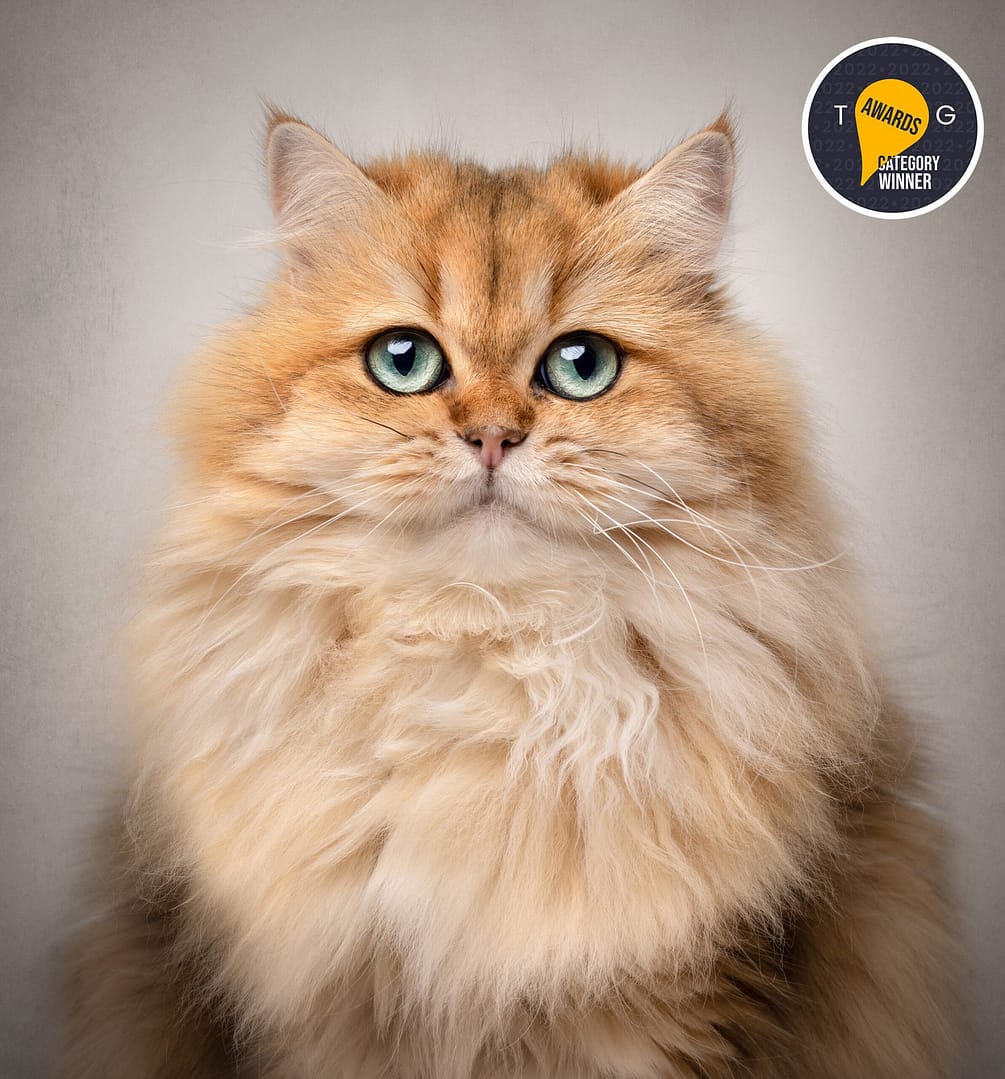
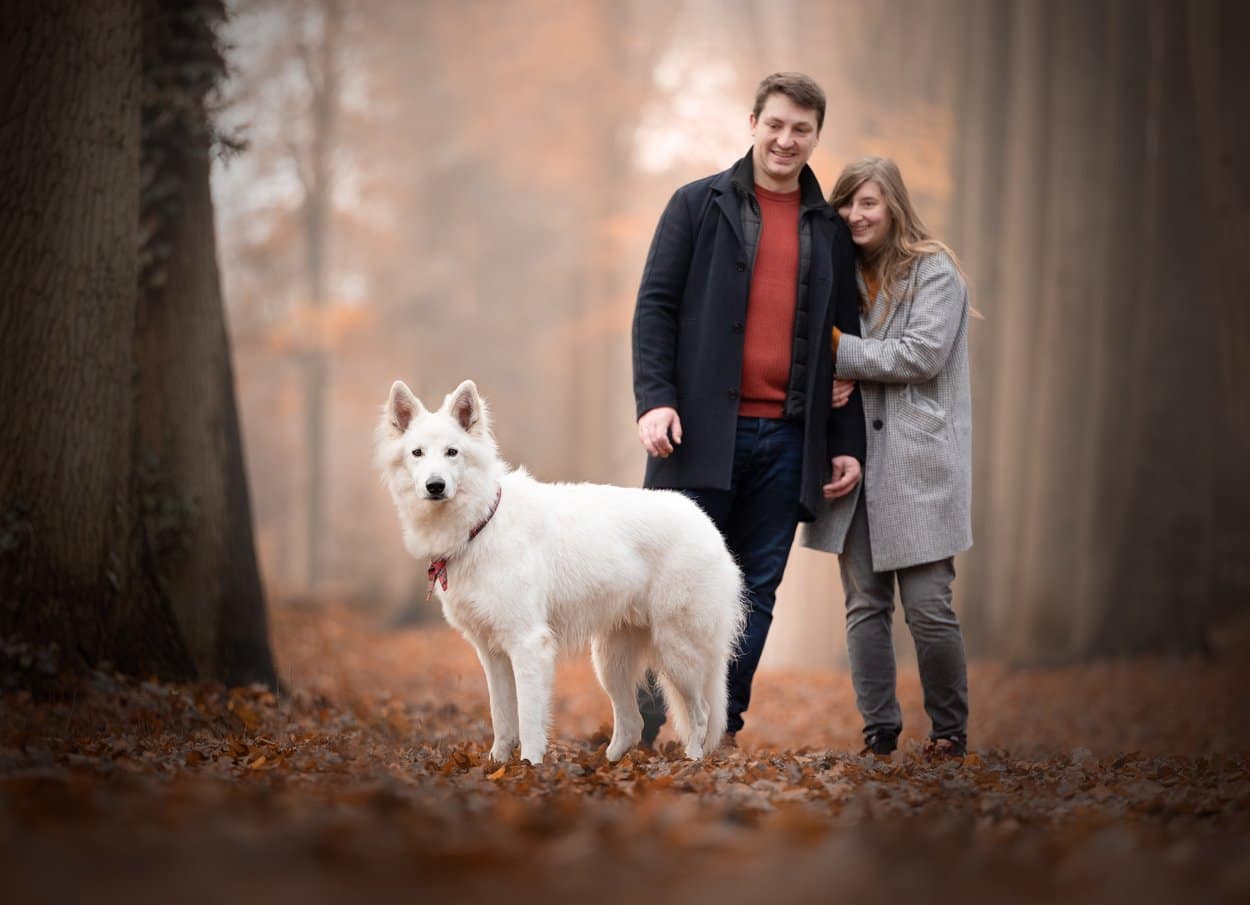
Capturing the unique personality of your pet through portrait photography is a wonderful way to create lasting memories. However, preparing for a successful pet portrait session requires more than just showing up with your furry friend. From choosing the right time and location to ensuring your pet feels comfortable and relaxed, several key factors can significantly impact the outcome. In this guide, we will explore seven essential tips to help you prepare effectively for pet portraits. Whether you’re a seasoned pet owner or a first-timer, these practical suggestions will ensure your pet’s best side shines through, making the experience enjoyable for both you and your companion. Get ready to create beautiful, timeless images that truly reflect your pet’s personality.
- Choose the Right Time: Pick a time when your pet is naturally calm and well-rested.
- Select a Comfortable Location: Familiar surroundings can help your pet feel at ease.
- Bring Favorite Toys or Treats: These can help grab your pet’s attention and encourage positive behavior.
- Keep Sessions Short: Pets have limited attention spans, so shorter sessions often yield better results.
- Be Patient and Flexible: Allow your pet to get used to the camera and environment.
- Consider Grooming: A well-groomed pet will look its best in photos.
- Work with a Professional Photographer: Experienced pet photographers know how to capture personality effectively.
Tip 1: Choose the Right Time for the Session
Understanding and choosing the right time for your pet’s training or play session is. crucial For maximizing its effectiveness and ensuring a positive experience for both you and your pet. One of the most important factors to consider is your pet’s natural energy levels throughout the day. Just like people, pets have their own biological rhythms—times when they are more alert, lively, and ready to engage.
Peak Energy Periods
- Dogs: Early morning hours and late afternoon to early evening
- Cats: Often more active at dawn or dusk
Observing your pet’s daily habits will help you identify these optimal windows. Take note of when your pet is most playful, attentive, or eager to interact. This observation will allow you to schedule your sessions when your pet is naturally inclined to participate.
Avoid Training Immediately After Feeding
- Pets feel relaxed and somewhat lethargic right after meals
- Training or play sessions during this time can lead to decreased motivation and focus
- Vigorous activity post-meal can increase risk of digestive problems (e.g., bloating in dogs)
Recommendation: Wait at least. 30 minutes to an hour After mealtime before starting any session.
Other Important Considerations
- Environmental factors: Schedule sessions when the environment is calm and quiet to minimize distractions
- Temperature: Avoid extreme heat or cold, as it can affect your pet’s willingness to participate
By carefully choosing the right time for your sessions based on your pet’s natural energy rhythms, feeding schedule, and environment, you create the best conditions for successful training or play. This thoughtful approach not only improves the effectiveness of the session but also. strengthens the bond Between you and your pet, making each interaction more rewarding and enjoyable.
Tip 2: Groom Your Pet
Proper grooming is a cornerstone of responsible pet care that not only keeps your furry friend looking great but also supports their overall health and well-being. Grooming involves a range of practices, but two fundamental aspects are bathing and brushing, along with trimming nails and cleaning ears. These activities, when done regularly and correctly, help prevent health issues and keep your pet comfortable.
Bathing and Brushing
Bathing your pet Removes dirt, allergens, and excess oils that accumulate on their coat and skin. The ideal bathing frequency depends on your pet’s breed, coat type, and lifestyle. For example:.
- Dogs that spend a lot of time outdoors or have oily coats may need baths every 3 to 4 weeks .
- Dogs with sensitive skin might only require bathing once every 6 to 8 weeks .
Important tips for bathing:.
- Always use shampoos formulated specifically for pets, as human shampoos can disrupt their skin’s natural pH balance and cause irritation.
- Use lukewarm water.
- Rinse thoroughly to avoid residue that could lead to itching or dryness.
Brushing Complements bathing by helping to keep your pet’s coat clean and healthy between baths:.
- Long-haired breeds: Daily brushing is recommended to prevent mats and tangles that can cause discomfort and skin problems.
- Short-haired pets: Brush at least once a week to remove loose hair and distribute natural oils, promoting a shiny, healthy coat.
Brushing also provides an excellent opportunity to check your pet’s skin for:.
- Lumps or bumps
- Parasites like ticks or fleas
- Wounds that may require veterinary attention
Trimming Nails and Cleaning Ears
Trimming Nails:.
Maintaining proper nail length is crucial for your pet’s comfort and mobility.
- Overgrown nails can cause pain, affect gait, or lead to joint issues.
- Nail trimming may be necessary every 3 to 4 weeks , depending on activity level and walking surfaces.
- Use nail clippers designed for pets and avoid cutting the quick (the sensitive part inside the nail).
- If unsure, seek help from groomers or veterinarians.
Cleaning Ears:.
Ear care helps prevent infections, especially for pets with floppy ears or prone to wax buildup.
- Use a vet-recommended ear cleaner.
- Gently wipe the outer ear with a cotton ball or soft cloth.
- Never insert cotton swabs or objects deep into the ear canal.
- Regularly check for signs of infection such as redness, swelling, foul odor, or excessive discharge.
Benefits of Regular Grooming
- Maintains cleanliness and appearance
- Supports physical health and comfort
- Provides valuable bonding time, strengthening trust and affection between you and your pet
Tip 3: Bring Favorite Toys and Treats
Bringing your pet’s favorite toys and treats when heading out or attending a training session is a simple yet highly effective strategy to enhance their engagement and reinforce positive behavior.
Benefits of Bringing Toys
- Capture Attention: Familiar toys like a squeaky ball, tug rope, or plush toy can redirect your pet’s curiosity back to you, especially in distracting environments.
- Provide Comfort: Toys offer a sense of familiarity that helps pets feel more secure.
- Motivate Engagement: Toys make training sessions fun and interactive, encouraging enthusiastic participation.
Using Toys to Manage Distraction
Pets easily distracted by new sights, sounds, or smells can benefit greatly from toys. When attention drifts:.
- Initiate a quick play session.
- Show the toy to bring focus back.
This helps prevent unwanted behaviors and keeps training on track.
The Power of Treats
- Reinforce Positive Behavior: Giving treats immediately after good behavior strengthens the connection between action and reward.
- Encourage Obedience: Treats teach pets that good manners lead to tasty rewards.
Choosing the Right Treats
- Select healthy and suitable treats based on your pet’s dietary needs.
- Use small, easily digestible treats to avoid overfeeding.
- Offer a variety to maintain interest and motivation.
Combining Toys and Treats
Using both toys and treats together creates a balanced approach that:.
- Keeps your pet engaged and motivated.
- Builds a strong bond between you and your pet.
- Makes training sessions and outings more enjoyable and productive.
Bringing your pet’s favorite toys and treats is a proactive way to set them up for success, whether working on obedience, socialization, or simply having fun outside the home.
Tip 4: Create a Comfortable Environment
Creating a comfortable environment is essential for ensuring a positive and productive experience, whether you’re conducting a photoshoot, facilitating a creative project, or leading a learning session. When people feel at ease, they are more likely to engage fully, express themselves openly, and perform at their best. Let’s explore how familiar spaces and props, along with minimizing stress and distractions, contribute to building such an environment.
Familiar Spaces and Props
Incorporating familiar spaces and props can dramatically increase comfort levels for participants. Familiarity breeds a sense of security and confidence, which is especially important in situations that may otherwise feel intimidating or unfamiliar. For instance, in a photoshoot setting, including personal items like favorite toys, blankets, or meaningful objects can help subjects—whether children, pets, or adults—feel more relaxed and cooperative. These props serve as comforting anchors, making the experience feel less clinical and more personal.
Similarly, when working in educational or creative environments, having familiar materials or tools readily available can reduce anxiety and bolster confidence. For example:.
- Students might find it easier to focus when they have access to their preferred notebooks, writing instruments, or devices.
- Creatives often benefit from working within spaces that reflect their personality and style, surrounded by tools and items that inspire them.
Additionally, arranging the space to feel welcoming—such as using. soft lighting ,. comfortable seating , and. warm colors —can further enhance the sense of familiarity and ease.
Minimizing Stress and Distractions
A key element of a comfortable environment is reducing stressors and distractions that can hinder focus and performance. Consider the following points:.
- Noise control: Excessive background sounds can be disruptive and increase cognitive load, making it harder to concentrate. Use soundproofing techniques, white noise machines, or choose a quiet location.
- Lighting: Harsh or inadequate lighting can cause discomfort and fatigue. Natural light is ideal; otherwise, soft, diffused lighting creates a soothing atmosphere.
- Organization: An organized and clutter-free space is crucial, as clutter can be overwhelming and distracting. Keeping the area tidy helps participants focus without unnecessary mental clutter.
Beyond the physical setup, fostering a calm and supportive atmosphere encourages openness and creativity. This can be achieved by:.
- Setting clear expectations
- Maintaining a positive attitude
- Allowing for breaks when needed
When individuals feel supported and unpressured, they are more likely to take creative risks and fully engage with the experience.
Summary
Creating a comfortable environment involves thoughtful consideration of both physical and emotional factors. By incorporating familiar spaces and props, minimizing stress and distractions, and fostering a supportive atmosphere, you pave the way for a more enjoyable, effective, and successful experience for everyone involved.
Tip 5: Practice Basic Commands
Mastering basic commands like. “sit,” “stay,” And. “look” Is one of the most effective strategies to help your pet pose naturally and cooperatively during a photoshoot. These simple obedience cues encourage your pet to remain still and focused, which is crucial for capturing calm, composed, and expressive portraits. When your pet reliably follows these commands, it minimizes sudden movements and distractions, allowing you to get the perfect shot with ease.
Preparation is Key
- Exercise: For dogs especially, engaging in some physical exercise before the session helps burn off excess energy, making them more relaxed and responsive.
- Rewards: Bring your pet’s favorite treats and toys for positive reinforcement, motivating them to stay attentive and engaged.
- Positive Atmosphere: Using treats and toys creates a fun and encouraging environment, helping your pet associate photoshoots with positive experiences.
Choosing the Right Environment
- Opt for a familiar or low-stimulus setting to reduce distractions and help your pet feel comfortable.
- A quiet, calm location allows better concentration on you and the camera.
- Allow your pet time to acclimate to the surroundings at their own pace.
- Practice patience and flexibility with timing to maintain a stress-free atmosphere.
Your Behavior Matters
- Maintain a calm, patient, and positive demeanor to help your pet feel safe and confident.
- Avoid pressure or stiff posing techniques that can cause discomfort.
- Use gentle guidance and encouragement to keep your pet relaxed and attentive.
Choosing Accessories
- Use clean, simple collars or harnesses that won’t distract or irritate your pet.
- Ensure accessories do not overshadow their natural expressions and personality.
In Conclusion
Practicing basic commands consistently, combined with thoughtful preparation and a supportive environment, is the key to capturing beautiful, genuine photos of your pet. These steps not only improve your pet’s behavior during the shoot but also strengthen the bond between you, resulting in portraits that truly showcase your pet’s unique character and charm.
Tip 6: Communicate with the Photographer
Effective communication with your pet photographer is essential to create a memorable and personalized photography session that truly captures your pet’s unique personality. Here’s how to prepare and what to discuss:.
Key Points to Discuss Before the Session
- Pet’s temperament, energy levels, and quirks
- Helps the photographer adapt their approach
- Ensures your pet feels comfortable and natural.
- Preferred portrait style.
- Classic studio portraits : controlled lighting, elegant backdrops, posed shots
- Candid lifestyle images : natural settings like home or a park
- Sharing your vision aligns the session’s mood, lighting, and location.
- Favorite toys and treats.
- Used to grab attention and motivate your pet
- Helps elicit natural expressions.
- Calming strategies.
- Commands, petting, or soothing sounds
- Helps create a low-stress environment.
- Daily routine.
- Best times for eating, playing, resting
- Scheduling the shoot when your pet is relaxed and cooperative.
- Anxiety or sensitivities.
- Sensitivities to strangers, noises, or new environments
- Photographer can prepare a calm atmosphere and gentle techniques.
- Intended use of photographs.
- Wall art, albums, gifts, social media, etc.
- Tailors the session for the final presentation
Why Open Communication Matters
- Builds trust between you and the photographer
- Ensures the session is fun and relaxed
- Results in beautiful, meaningful portraits you’ll cherish
Summary Table: Communication Topics and Their Benefits
| Topic | Benefit |
|---|---|
| Pet’s temperament | Comfortable, natural behavior |
| Portrait style | Align session with your vision |
| Toys and treats | Engaged, motivated pet |
| Calming strategies | Low-stress environment |
| Daily routine | Optimal session timing |
| Anxiety/sensitivities | Reduced stress, safer environment |
| Intended photo use | Customized final presentation |
Remember, the more detailed information you provide, the better your photographer can customize the session to highlight your pet’s best qualities and create lasting memories.
Tip 7: Be Patient and Have Fun
Allowing Time for Natural Expressions
Patience is one of the most important qualities to cultivate when aiming to capture authentic moments or master a new skill. Genuine emotions and natural expressions rarely happen on command —they need time to emerge. When you rush, you risk ending up with forced smiles, stiff poses, or awkward interactions that don’t truly reflect the moment or the people involved.
By allowing ample time for things to unfold naturally, you create a relaxed environment where spontaneity can thrive. This applies not only to photography or creative projects but also to learning new hobbies, building relationships, or collaborating in any setting.
Tips for cultivating patience:.
- Take breaks when needed
- Encourage open communication
- Avoid putting unnecessary pressure on yourself or others
This patient approach makes space for real connections and heartfelt moments to develop, resulting in outcomes that feel genuine and memorable. Remember, the best moments are often those unplanned interactions or expressions that happen when people feel comfortable and at ease.
Enjoying the Experience Together
Equally important as patience is the ability to. have fun during the process . Enjoyment fuels creativity, engagement, and motivation. When everyone involved is having a good time, it naturally lowers stress and builds a positive atmosphere that encourages experimentation and openness.
Benefits of enjoying the experience:.
- Breaks down barriers through laughter and lighthearted moments
- Fosters stronger bonds among friends, family, or coworkers
- Inspires giving your best effort without fear of judgment or failure
- Reframes mistakes and setbacks as part of the learning journey
- Builds growth and confidence
Moreover, the memories created in these joyful moments often outlast the activity itself, becoming stories and experiences that bring people closer together.
Combining Patience and Fun
Combining patience and fun transforms any creative or learning endeavor into a rewarding adventure. It shifts the focus from simply achieving a goal to appreciating the process, making challenges feel less daunting. This mindset encourages persistence and resilience while nurturing a positive outlook.
| Aspect | Impact |
|---|---|
| Patience | Creates space for authenticity |
| Fun | Enhances creativity and motivation |
| Both Combined | Cultivates meaningful memories and joy |
Whether you’re trying to capture the perfect photo, picking up a new skill, or working collaboratively on a project, take a moment to breathe, smile genuinely, and immerse yourself fully in the experience.
By embracing patience and enjoyment, you not only improve your results but also cultivate meaningful memories filled with authenticity and joy that will last a lifetime.
Conclusion
Preparing for pet portraits can make all the difference in capturing your furry friend’s true personality and charm. By following these. 7 essential tips —such as choosing the right time, bringing favorite toys or treats, and ensuring your pet is comfortable—you set the stage for a smooth and enjoyable photo session.
Remember,. patience and positive reinforcement Are key to getting those perfect shots. With a little preparation, you’ll create timeless portraits that you and your pet will cherish for years to come.